


Researchers highlight several benefits and concerns associated with the launch of direct-to-consumer models for GLP-1 receptor agonists.
Researchers highlight several benefits and concerns associated with the launch of direct-to-consumer models for GLP-1 receptor agonists.

Amid shifting healthcare cost strategies, how manufacturers can apply past lessons to best support patients and help boost drug adherence.

A strategic formulation for separate IDN market spaces.

As the market for biosimilars expands, a nuanced approach is needed to balance cost considerations with patient safety and pharmacovigilance efforts.

Higher prices of insulin attributed to significant annual increases, outpacing general inflation.

The company has struggled to supply the drug to patients due to overwhelming popularity.

Will the FDA ultimately step in and mandate a credible effort to eradicate the mindset that long-term adherence is not achievable?

Webcasts
Webinar Date/Time: Thu, Feb 15, 2024 11:00 AM EST

Soaring healthcare costs show little sign of slowing in 2024, with concerns growing about the affordability of medications and medical services.

Although medications such as Mounjaro and Zepbound have shown efficacy in helping individuals lose weight, there are not yet enough results to fully support these claims.

Measuring the relationship between a product’s reimbursement position and performance begins with gathering key data points for as many products as possible.
Starting April 1, 2024, Hyrimoz and an unbranded version of Humira manufactured by Sandoz will be covered across all CVS formularies.
The LillyDirect platform will allow patients who are prescribed the popular weight loss drug Zepbound to obtain the drug via Lilly’s at-home prescription delivery service.

JAMA study investigates whether physical or behavioral healthcare needs are associated with the risk of underinsurance across household income levels.

Five emerging themes likely to impact pharma in the new year.

CVS Health announced a new pharmacy reimbursement model, called CVS CostVantage, which will define drug cost on the amount it pays for a drug, a set markup, and a fee for pharmacy services.
JAMA study evaluates differences in coverage types and potential from 2016-2021.
For manufacturers who participate in the 340B program, costs have increased because they are required to provide steep discounts on their drugs at levels far below private market prices.
JAMA study argues that addressing social determinants of health is crucial to narrowing life expectancy gaps between high- and low-income countries.

Express Scripts has announced plans to offer to a new pharmacy network cost-based pricing option for prescription medications and pharmacy services.

Proposed legislation aims to address pharmacy benefit manager tactics to reduce prescription drug prices.
Novo Nordisk said it will continue providing Levemir vials and the Levemir FlexPen for diabetes control while supplies last, until the full product discontinuation at the end of 2024.
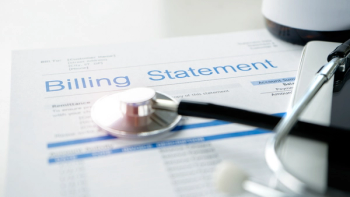
The growing issue of medical debt has caused stakeholders to reevaluate tactics as the cost of pharmaceutical healthcare continues to rise.
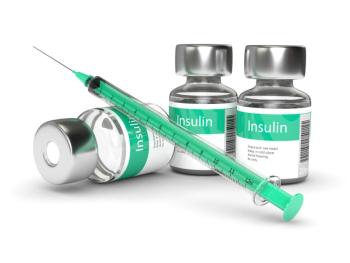
Eight rapid-, short-, and long-acting insulin products will move to tier one preferred status, which limits out-of-pocket spending to $35 or less for patients with diabetes.
Inflation Reduction Act expected to reduce maximum achievable revenues for many top selling products.