






Regulatory action marks the first engineered cell therapy approved for a solid tumor cancer in the United States.
Regulatory action marks the first engineered cell therapy approved for a solid tumor cancer in the United States.

Approval marks the first time an immuno-oncology regimen has demonstrated a survival benefit for all adults with primary advanced or recurrent endometrial cancer, company says.

Results from the PERSEUS study led to the FDA approval of Darzalex Faspro in patients with newly diagnosed multiple myeloma who are eligible for an autologous stem cell transplant.

With a growing number of legal battles over women’s health issues, such as abortion and infertility, stakeholders are concerned about the impact on everything from healthcare access to new technology.

Erzofri is the first patented paliperidone palmitate long-acting injectable developed in China to receive FDA approval for treating schizophrenia and schizoaffective disorder, company says.

Results from the ASC4FIRST study lead to FDA priority review designation of Scemblix in newly diagnosed patients with Philadelphia chromosome-positive chronic myeloid leukemia in chronic phase.

Approval of Zunveyl offers a novel approach with a dual mechanism of action designed to improve tolerability and efficacy in treating Alzheimer disease, company says.

Leqselvi is classified as a novel oral Janus Kinase inhibitor that targets JAK1 and JAK2 pathways, thought to be involved in the autoimmune response that leads to alopecia areata.

FDA’s Oncologic Drugs Advisory Committee acknowledged that Imfinzi met its primary endpoint of event-free survival in the treatment of resectable non-small cell lung cancer.

The study is expected to evaluate the safety of Iomab-ACT in sickle cell disease patients who are undergoing allogeneic bone marrow transplants.

The supplemental New Drug Application for brexpiprazole in combination with sertraline is supported by data from three randomized clinical trials that evaluated its safety and efficacy in adult patients with post-traumatic stress disorder.

Expanded indication of Brineura allows for treatment of neuronal ceroid lipofuscinosis type 2 disease in both symptomatic and presymptomatic children.

The new approval expands Xeomin’s indications to include horizontal forehead lines and lateral canthal lines.

Approval of Spravato would mark the first monotherapy to be available on the market for treatment-resistant depression in the United States.

Novel drug 7MW3711 binds to tumor cell membrane antigens, being internalized and transported to the lysosome, releasing a cytotoxic drug, and inducing tumor cell apoptosis.

Clearance of the NeuroLF Brain PET system marks Positrigo’s first device of its kind to be approved in the United States.

The novel therapy, ABD-147, uses advanced antibody engineering to deliver Actinium-225 to solid tumors expressing DLL3, a protein found on neuroendocrine tumors.
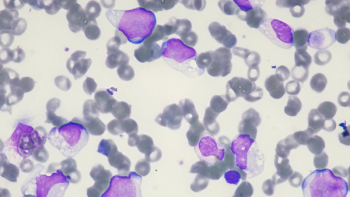
DSP-5336 targets the menin and mixed-lineage leukemia protein interaction, crucial in various biological processes, including cell growth and genomic stability.

Clearance of the New Drug Application for ART25.12 allows Artelo to begin a Phase I study for the drug in chemotherapy-induced peripheral neuropathy.

According to the Complete Response Letter, the FDA has requested additional information on the manufacturing process and the type 1 diabetes indication for insulin icodec before completing its review.
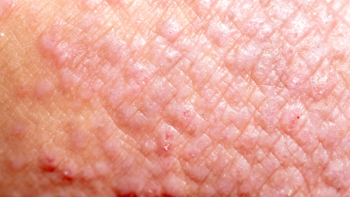
Zoryve is a steroid-free, once-daily treatment shown to offer rapid disease clearance and significant itch reduction for patients with mild to moderate atopic dermatitis.

Approval of the Mynx Control Venous vascular closure device was based on results from the ReliaSeal trial, which demonstrated 100% procedural and device success in cardiac ablation procedures.

Results from the Phase III STREAM Stage 2 study show the efficacy and safety of an all-oral bedaquiline-containing regimen for multidrug-resistant pulmonary tuberculosis.

The Vabysmo prefilled syringe is designed to simplify administration for retina specialists, improving the treatment experience for both physicians and patients with wet age-related macular degeneration, diabetic macular edema, and macular edema following retinal vein occlusion.

Kisunla is the first amyloid plaque-targeting therapy that allows for stopping treatment upon plaque removal, company says.