




Ocrevus Zunovo is the first and only twice-yearly, 10-minute subcutaneous injection for treating both relapsing multiple sclerosis and primary-progressive multiple sclerosis.

Ocrevus Zunovo is the first and only twice-yearly, 10-minute subcutaneous injection for treating both relapsing multiple sclerosis and primary-progressive multiple sclerosis.
Subcutaneous Tecentriq Hybreza will provide patients and physicians increased flexibility for administration of the immunotherapy across approved indications for Tecentriq, including non–small cell lung cancer, small cell lung cancer, and hepatocellular carcinoma.

Tremfya is the first and only fully-human, dual-acting monoclonal antibody targeting IL-23 and CD64 to be approved for the treatment of moderately to severely active ulcerative colitis.
Filspari is considered the first non-immunosuppressive treatment to significantly slow kidney function decline in adults with IgA nephropathy.

Boruzu is the first ready-to-use version of bortezomib for subcutaneous and intravenous administration in the treatment of multiple myeloma and mantle cell lymphoma.
Submission is supported by results from the Phase III Vivacity-MG3 study, which demonstrated that nipocalimab, combined with standard care, significantly improved outcomes for patients with antibody-positive generalized myasthenia gravis.
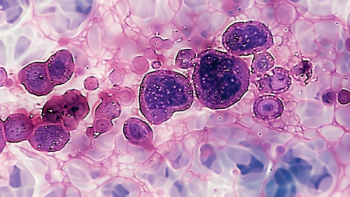
Submission of a New Drug Application for mirdametinib included data from the Phase IIb ReNeu trial, which evaluated patients with NF1-associated plexiform neurofibromas causing significant morbidity.
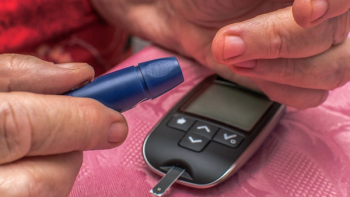
Expanded indication makes Omnipod the first automated insulin delivery system to be approved for the management of both type 1 and type 2 diabetes.

The MACI Arthro can be administered through small incisions using custom instruments to repair cartilage defects in the knee.
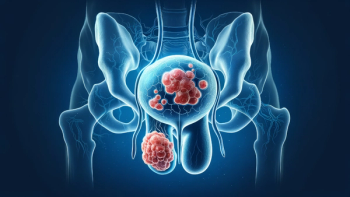
64Cu-SAR-bisPSMA has demonstrated advantages over current diagnostic tools, such as higher tumor uptake, next-day imaging, and a longer half-life in PET imaging of PSMA-positive prostate cancer lesions, Clarity says.
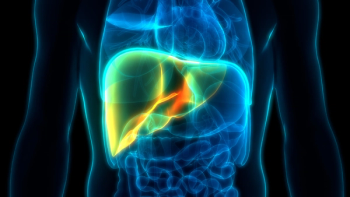
Acceptance of supplemental Biologics License Application was based on results from the Phase III CheckMate-9DW trial, which demonstrated that the combination of Opdivo and Yervoy significantly improved overall survival in patients with hepatocellular carcinoma.

Breakthrough therapy designation for GSK5764227 based on preliminary data from the ongoing ARTEMIS-001 Phase I trial, which showed the novel therapy’s promise treating patients with relapsed or refractory extensive-stage small-cell lung cancer.

Manufacturers must navigate complex regulatory landscapes, understand diverse cultural nuances, and prioritize patient access in each region.

Approval marks the first multitargeted regimen to surpass Tagrisso in efficacy in the first-line treatment of advanced non-small cell lung cancer, according to Johnson & Johnson.

Approval of Niktimvo was based on positive data from the AGAVE-201 study, which demonstrated a 75% response rate in patients with chronic graft-versus-host disease.

The combination treatment involves administering Imfinzi with neoadjuvant chemotherapy for non-small cell lung cancer before surgery and as monotherapy post-surgery.
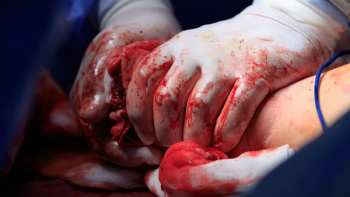
Cresilon works to stop life-threatening bleeding in seconds, offering a valuable tool for military, emergency medical services, and healthcare professionals.
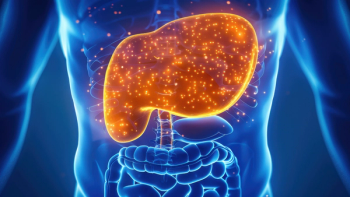
Approval of Livdelzi is based on results from the Phase III RESPONSE study, which demonstrated improved key biochemical markers and reduced pruritus.

The importance of pre-approval information exchange (PIE) with payers and other strategic considerations to help navigate today’s market access challenges and regulatory requirements in bringing promising cell and gene therapies to the market.

UGN-102 has the potential to be the first FDA-approved treatment for low-grade intermediate-risk non-muscle invasive bladder cancer, UroGen says.
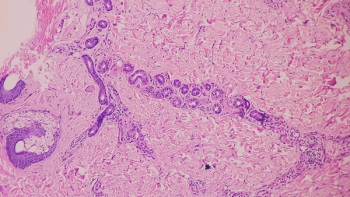
Approval of Nemluvio was based on positive results from the Phase III OLYMIA trials, which demonstrated significant itch reductions.

The Complete Response Letter stated that current data on midomafetamine capsules is insufficient for approval in treating patients with post-traumatic stress disorder.

Yorvipath is designed to parathyroid hormone exposure over 24 hours in patients with hypoparathyroidism.

Approval of neffy marks a significant advancement in epinephrine delivery, offering a less painful alternative to traditional needle injections.
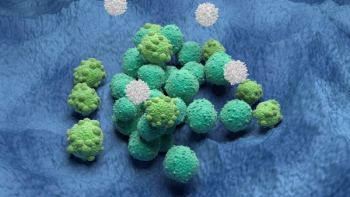
Lymphir is the first therapy to target the IL-2 receptor in the treatment of relapsed or refractory cutaneous T-cell lymphoma and the first FDA-approved product for Citius Pharmaceuticals.