



Pharmaceutical Executive
Sonalee Agarwal, head of value and evidence strategy for Alnylam, talks with Pharm Exec about the role of real-world evidence in the rare and ultra-rare disease space.
Pharmaceutical Executive
Sonalee Agarwal, head of value and evidence strategy for Alnylam, talks with Pharm Exec about the role of real-world evidence in the rare and ultra-rare disease space.

Pharmaceutical Executive
As CAR-T therapy eyes new territory-solid tumors-and expands into autoimmune disease, other frontiers in drug development are beginning to open up. They highlight the raw promise of science, with cannabis-based agents targeting CNS and rare genetic disorders, as well as the larger responsibility to public health, including advancing non-opioid alternatives, addressing antibiotic, and untangling the path to market for biosimilars.

Pharmaceutical Executive
Amid a still-difficult environment for enforcing cannabis-related patents, this article explores some of the types of patent protection available for cannabis-based therapies and inventions.

Pharmaceutical Executive
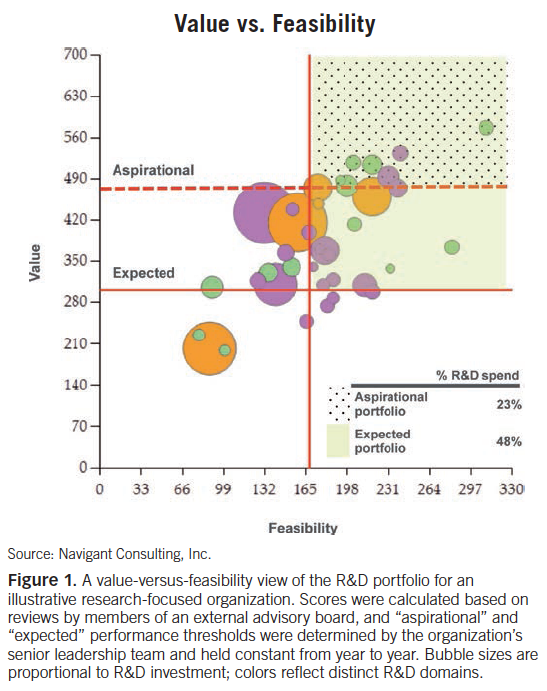
As this year's Pipeline Report illustrates, there remains an imbalance between funding and incentivizing new drug discovery in some therapeutic areas and rewarding the risk-based nature of these innovations. Imagine if we could solve this conundrum in science?

Pharm Exec examines the booming life sciences scene in southeast Virginia and Raleigh-Durham and Winston-Salem, North Carolina-and the region’s advantages in location, talent, and funding compared to the more glamour spots up north.
Pharmaceutical Executive
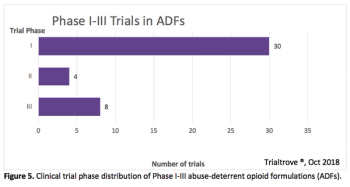
Analysts from Informa Intelligence take a deeper dive into these three pivotal areas of R&D today-the crisis points and progress.

Pharmaceutical Executive
Data shows cultural gaps and highlights a C-level fix.


As this year's ESMO gets under way, Pharm Exec spoke to James Campbell-global franchise business head at Merck KGaA, Darmstadt, Germany-to discuss his vision for the company as a global leader in oncology.
Pharmaceutical Executive
Small biotech companies benefit more from partnering with CROs rather than hiring a chief medical officer.
Pharmaceutical Executive
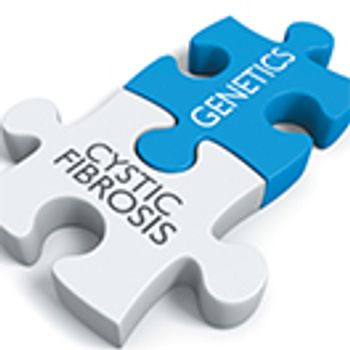
How one nonprofit and its out-front leader are joining forces with industry to advance a new personalized medicine approach for cystic fibrosis patients nonsense mutations.

To succeed in developing targeted medicines, companies need a biomarker strategy and the expertise to make smart decisions about clinical trial design, assays, technology platforms and collaborative partners, write Barry S. Sall and Angela X. Qu.

Examining the rise and reach of biopharma in the key Northeast Corridor clusters of Boston, Philadelphia, and New Jersey.
With increasing responsibilities and decision-making post-discovery, the traditional label of “biotech” is changing.
Though challenges in space and affordability remain, New York City is emerging as a hotspot for biotech incubators, including one unique startup based in the city’s fast-growing innovation center, whose CEO, like many C-suite veterans, made the career leap from the big pharma world to forging new discoveries in medical science.

Pharmaceutical Executive
Over the last decade, Spain has seen a significant growth in venture-capital investment in the life sciences. We explore the driving forces.
Pharmaceutical Executive
A common takeaway in our exploration of "Emerging Biopharma" appears to be that these companies are those that go beyond pure discovery-and put equal efforts into the pivot to potential commercialization.

Pharmaceutical Executive
While the field of regenerative medicine has grown considerably since the ’90s-in innovation and acceptance-entrenched companies such as Athersys are looking to forge new advances in the stem cell arena by transforming promising science into real-world treatments.

Pharmaceutical Executive
Streamlined clinical research, more guidance speed new cures to patients.
Pharmaceutical Executive
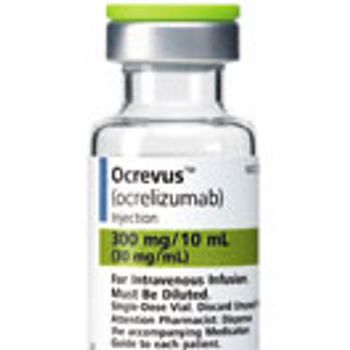
In its 12th annual feature, Pharm Exec builds on the revamped approach it introduced last year in spotlighting notable biopharma brands, profiling a new round of products that are making waves in five key areas in healthcare and R&D.
Pharmaceutical Executive
Amid new efforts to inspire more physicians to engage their patients about clinical research, turning that vision into tangible gains in trial participation remains tricky.
Pharmaceutical Executive
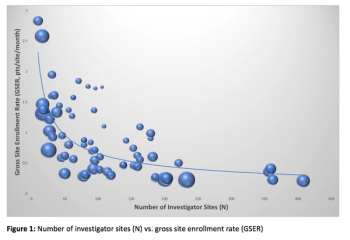
A discussion of the cost and time put into clinical trials.
Pharmaceutical Executive
The biotech sector has managed to elude the negative perceptions saddling traditional pharma these days. We examine the reasons why.