
Pharmaceutical Executive
The last thing on the mind of an adventurous traveler is a pre-trip immunization, which, consequently, is not top-of-mind for their healthcare providers, either.
Pharmaceutical Executive
The last thing on the mind of an adventurous traveler is a pre-trip immunization, which, consequently, is not top-of-mind for their healthcare providers, either.

Pharmaceutical Executive
Flashpoint Medica's "Little girl, big shoes" campaign was used to portray the problem of central precocious puberty for the launch of Supprelin LA from Indevus Pharmaceuticals.

Pharmaceutical Executive
"Tired of your old birth-control routine?" the spot asks. "Maybe it's time to break free from the pack with NuvaRing."


Pharmaceutical Executive
CV Therapeutics and Genetech rejected offers from big-name suitors. Are they playing hard to get or are they just not that into them?
Pharmaceutical Executive
A sign of the times or a rash decision? In an effort to curb unnecessary costs, Pfizer kills development of two late-stage products rather than sink more money into them.
Reflector welcomes the signs of EU agreement on encouraging the development of rare disease treatments.
Pharmaceutical Executive
Two pharma companies dabble in online video in two different but effective ways. Sanofi-aventis attempts to reach patients through educational videos, while AZ calls for consumers to upload their own testimonials.
Pharmaceutical Executive
Pfizer is the latest addition to Big Pharma's data disclosure club; the drug giant will be disclosing all physician payments that total more that $500 a year.
Pharmaceutical Executive
GlaxoSmithKline to lay off thousands while embattled KV Pharma drops 40 percent of its work force in latest wave of cuts.
Communications planning in 2009 and beyond will include online, offline, mobile, out-of-home, point-of-sale, gaming consoles, and more-even your car's navigation system will be tied to Google! Perhaps most importantly, communications planning will begin to include social influence marketing.
Pharmaceutical Executive
Facing patent expiry for one of its top drugs and an overabundance of sales staff due to recent acquisitions, King announced that it would eliminate 760 jobs.
June 2008 Sworn Statement

Pharmaceutical Executive
No one who cares about global health can be happy with a system that only "eventually" delivers drugs and vaccines for the planet's neediest people
Pharmaceutical Executive
Pfizer hit hard with the surprise purchase of Wyeth. But will the pharma giant strike out in the long run? Analysts ponder the long and short-term ramifications of this monster acquisition.
As pharmaceutical companies look to emerging markets to offset slowed growth at home, success will depend on efficient re-use of regulatory content to target new high-growth markets.
To increase impact and effectiveness, personalized Web sites should be constructed in different ways to interact with multiple audiences.
Pharmaceutical Executive
A new study suggests the medical professionals are more active on social networking sites than ever before. With the rise of doctor-specific Web 2.0 outlets, pharma has a new tool for reaching elusive physicians. The best part: Doctors don?t seem to mind.
Reflector casts doubt on European pharma's vision for further communication between the industry and its patients.
Economic Development promo sheet 2
Economic Development Sample
Although stem cell research has sparked controversy for years, Osiris Therapeutics has been flying under the radar for a decade with a revolutionary secret.
Pharmaceutical Executive
The Tamiflu-resistant flu strain means increased sales for GSK's Relenza, but doesn't mean the end for the number-one antiviral.
Pharmaceutical Executive
Sales reps aren't the only ones heading for the unemployment line - Pfizer is eliminating researcher positions as fewer drugs are making it to development. But could streamlining the crux of drug R&D cause more harm than good?
Pharmaceutical Executive
Merck isn't bragging about the positive data it received regarding the use of its landmark HPV vaccine in men. But the pharma giant also isn't wasting time submitting the info to FDA. Pharm Exec talked to the lead investigator behind the trials to find out why this could be another milestone for Merck.
Pharmaceutical Executive
With the departure and retirement of two-thirds of Donahoe Purohit Miller, the middle child has rebranded itself Purohit Navigation and is going after the pharma market as a one-stop-shop for all its branding needs.
HBA Endorsement letter
Pharmaceutical Executive
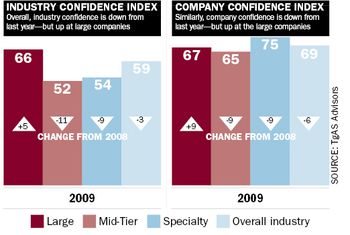
How hopeful are execs about the future of their own companies and the industry in general?
Pharmaceutical Executive
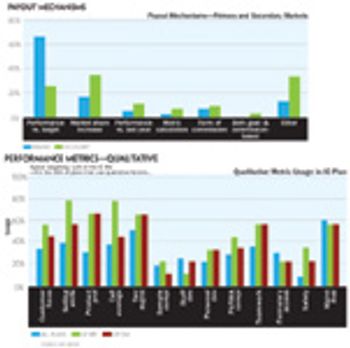
The headlines are about layoffs, but some segments of pharma are still hiring. Pay, meanwhile, tightens.

Pharmaceutical Executive
It's just the way life works: You're always crossing the bridge before you get to it-or after it's gone